

Living with more than one dog can double the joy, but without clear structure, it often doubles the frustration.
For many households across Castle Rock, Parker, and Douglas County, a multi-dog home can quickly turn into coordinated chaos. One dog barks at a delivery driver, and the second joins in instantly. One pulls on the leash, and the other feeds off the nervous energy. Before long, walking your dogs through local parks or even opening the front door feels like managing a stampede.
At Misfits Dog Training, our approach is built around fair, analytical problem-solving. Dogs are pack animals, but in a domestic home, each individual dog needs clear communication, distinct personal boundaries, and independent accountability.
Here is how to stop the chaos and restore order to your multi-dog household.
1. Train the Dogs Separately Before Training Them Together
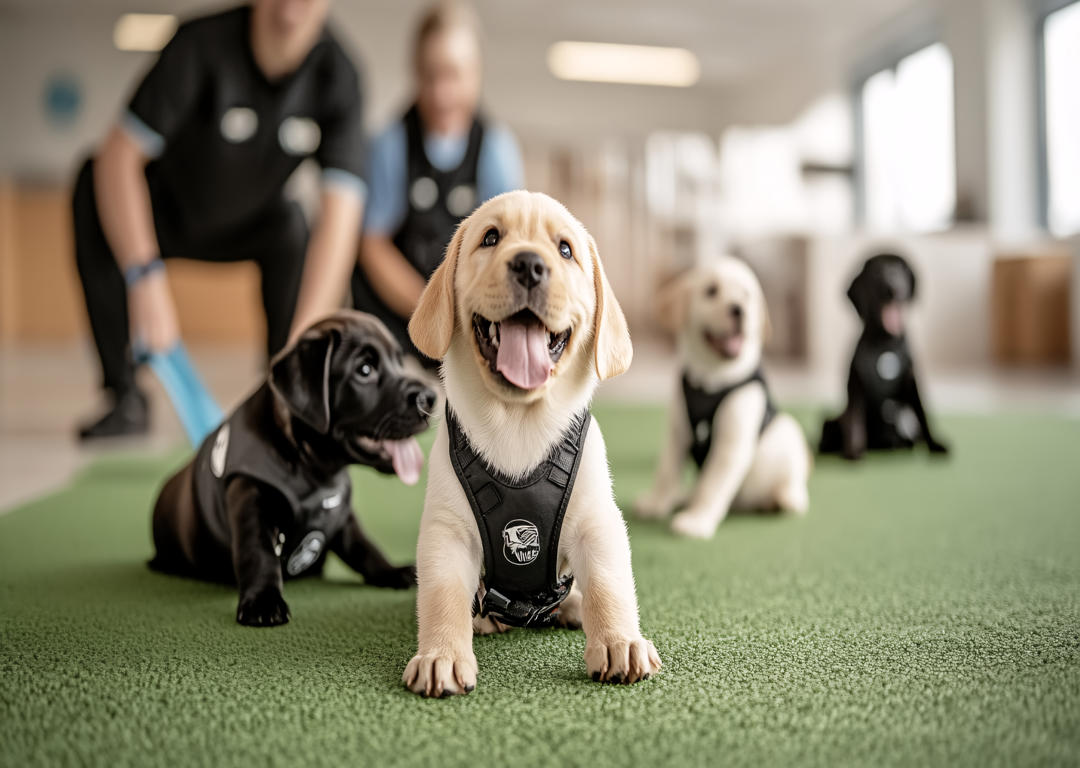
The biggest mistake owners make is trying to teach new commands to two or three dogs at the same time. Dogs naturally distract, excite, and feed off of one another.
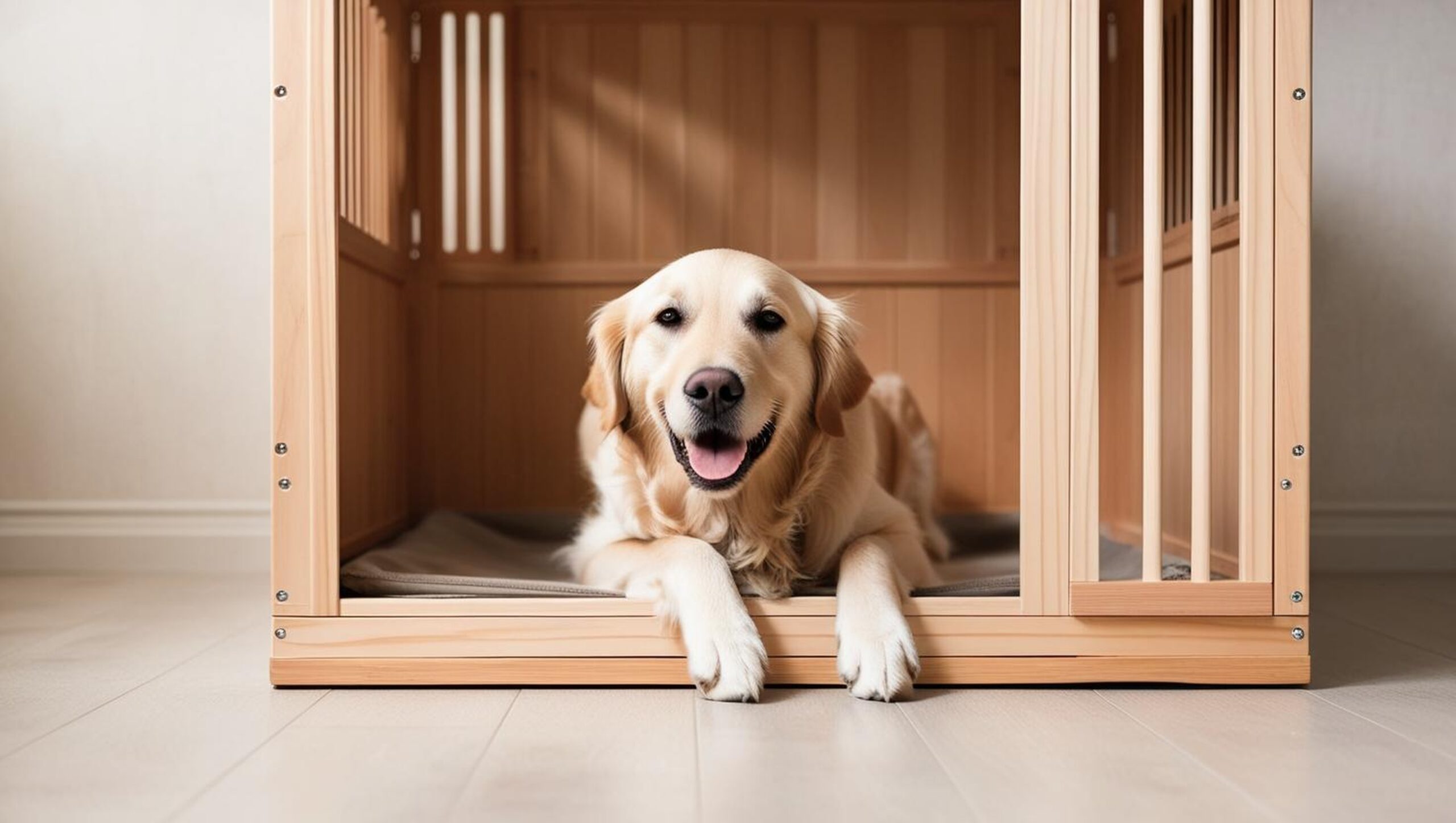
- Isolate the Training Sessions: Dedicate 10 minutes of one-on-one time to each dog individually, placing the other in a crate or behind a gate.
- Build Handler Focus: Each dog must learn to look to you for direction rather than looking to their housemate for cues.
- Recombine Only After Mastery: Do not bring both dogs together for dual training drills until each dog can reliably perform loose-leash walking, sit-stays, and place commands on their own.
2. Master the “Place” Command to Prevent Indoor Pile-Ups
Most multi-dog mayhem happens at high-arousal choke points: the kitchen counter during food prep, the front door when guests arrive, or the couch during evening downtime.
A dedicated Place command solves this by creating physical separation:
- Assign each dog their own elevated bed or specific cot in the living room.
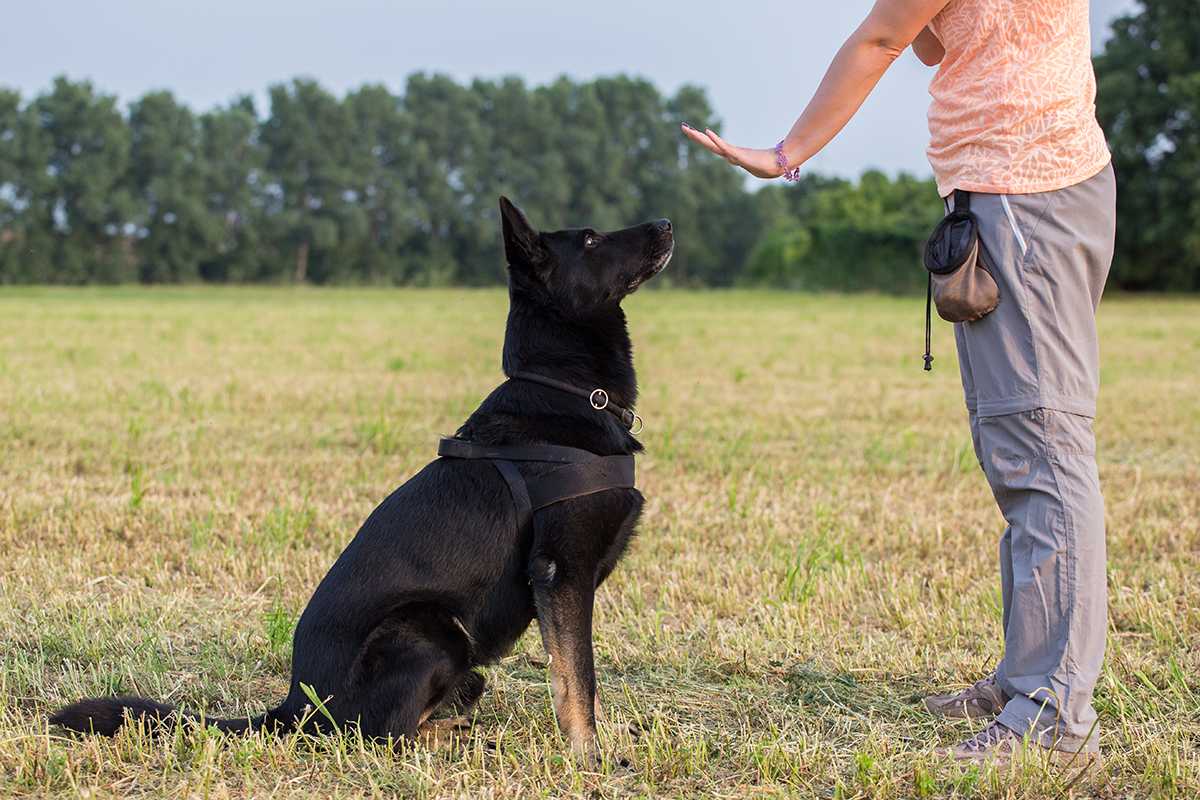
- Teach them that “Place” means remaining calmly on their designated bed until released, regardless of what the other dog is doing.
- By establishing distinct boundaries, you prevent roughhousing in the house and teach both dogs how to turn off their arousal indoors.
3. Address “Secondhand Reactivity” on the Leash
On walks around Douglas County trails and neighborhood streets, one dog often acts as the trigger while the other acts as the amplifier.
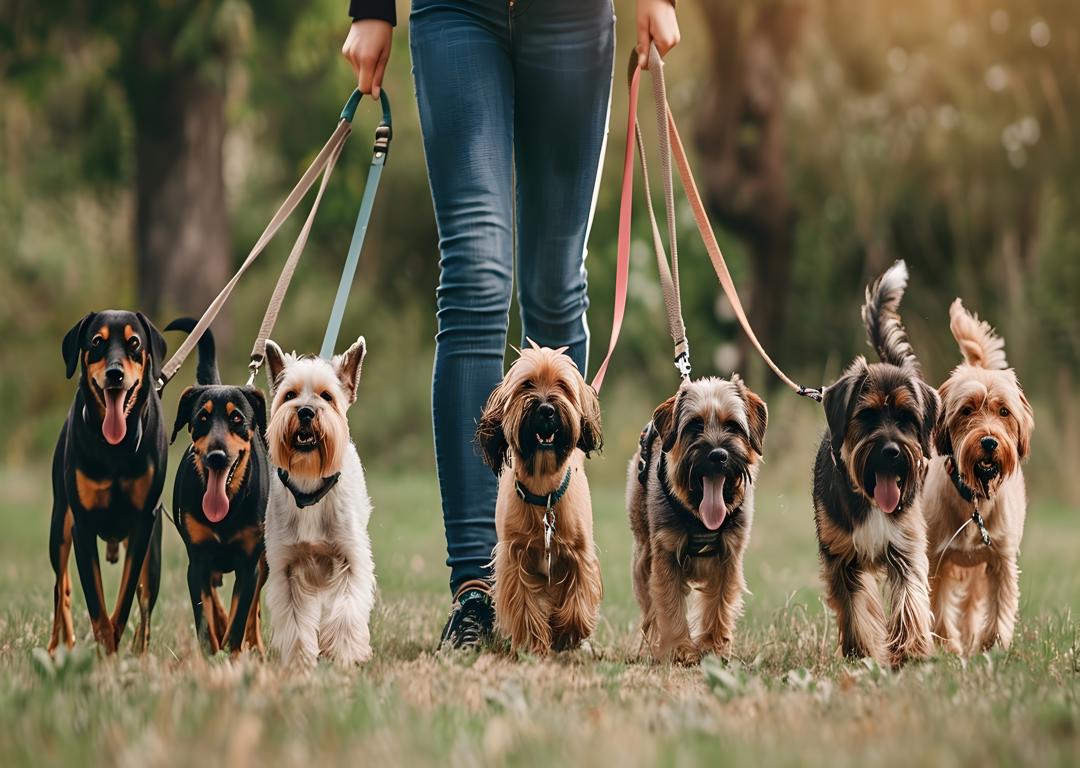
If your dogs bark or lunge at passing dogs, wild rabbits, or bicycles, stop walking them as a pair. Walk them individually until each dog displays calm neutrality on a loose leash. Once both have mastered individual focus, pair them back together, stepping back to lower-distraction streets before tackling busy public trails.
Owners must take on the role of a calm, assertive leader to establish order. Dogs shouldn’t have to guess what’s allowed, who gets fed first, or where they’re allowed to rest. Clear expectations reduce friction and help dogs feel secure in their place within the household.
4. Eliminate Resource Battles
When multiple dogs share space, high-value resources can cause subtle tension or outright fights.
- Feed Separately: Feed your dogs in separate crates or distinct rooms to eliminate competitive eating and resource guarding.
- Control High-Value Toys & Bones: Do not leave high-value chews lying freely around common living spaces. Supervise chew sessions or use crates.
- Human-Initiated Attention: Avoid letting dogs shove each other out of the way for your affection. Reward calm, respectful waiting rather than pushy competition.
Restoring Balance in Douglas County
Managing multiple dogs does not mean settling for constant household noise and stress. With consistent routines, distinct individual training, and clear boundaries, your dogs can learn to coexist calmly and respectfully.
Whether you need hands-on help in your home through our private lesson curriculum or prefer structured day immersion, we can help you build a customized plan for your dogs.
Schedule your Colorado training consultation with John Lightfoot to bring calm back to your pack.